High-Quality System Track Solar Quotes & Product

Expert Engineering, Global Compliance, and AI-Driven Tracking Efficiency for Large-Scale PV Installations

⚙️The Evolution of Solar Tracking Systems

In the rapidly transforming landscape of renewable energy, Solar Tracking Systems have emerged as a critical component for optimizing the Levelized Cost of Energy (LCOE). Unlike traditional stationary brackets, advanced tracking systems utilize sophisticated algorithms and mechanical engineering to align solar panels with the sun's trajectory throughout the day. This whitepaper explores the technological nuances, market trends, and strategic advantages of implementing high-quality tracking solutions.

+25%

Average Energy Yield Increase

500MW

Monthly Production Capacity

10+

Years of R&D Excellence

30+

Global Utility Projects

Macro Industry Development Trends

The global solar market is shifting from "quantity" to "quality." Modern tracking systems are no longer just mechanical frames; they are AI-integrated assets. Key trends include:
  • AI-Driven Backtracking: Utilizing machine learning to eliminate shadow-on-shadow losses during early morning and late evening, maximizing diffused light capture on cloudy days.
  • Bifacial Compatibility: Designing trackers with higher ground clearance and minimized shading from structural components to harness rear-side energy from high-albedo surfaces.
  • Extreme Weather Resilience: Development of "Stow Modes" that automatically position trackers to minimize wind load or snow accumulation based on real-time sensor data.

🏢Our Corporate Ecosystem: Shandong Zhaori

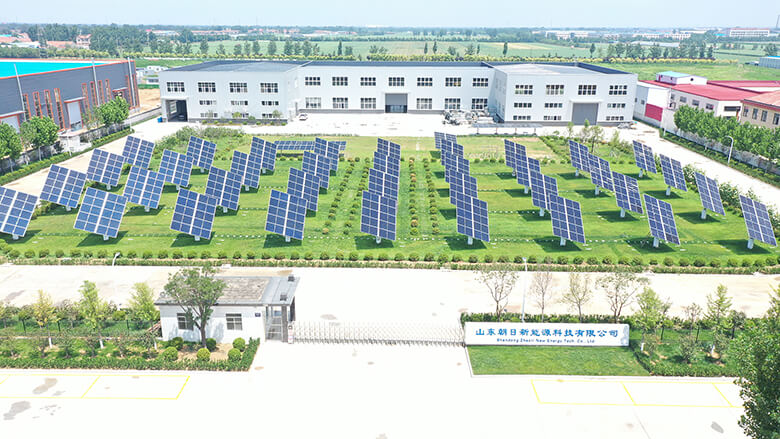
Factory Overview

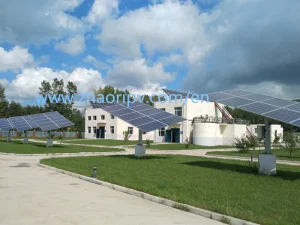
Shandong Zhaori New Energy Tech. Co., Ltd. is a high-tech pioneer based on independent intellectual property rights. Founded in June 2012, our infrastructure integrates 10 specialized departments—from R&D and Engineering to Quality Assurance and International Trade. Our team of over 60 professional technology talents has dedicated over a decade to perfecting PV power station technology.

Our 50,000 square meter factory is equipped with CNC machine tools, laser cutting machines, automatic welding robots, and plasma machines. With a production capacity of 500MW per month, we ensure that every component—from raw material screening to anti-rust treatment—meets the highest global standards.

💡Technological Roadmap & Future Outlook

Product Principle: Simple, Reliable, Effective

We adhere to a philosophy where complexity is the enemy of reliability. Our tracking systems are engineered to minimize the number of moving parts, thereby reducing potential failure points and lowering long-term O&M costs.

ZRP Flat Single Axis System

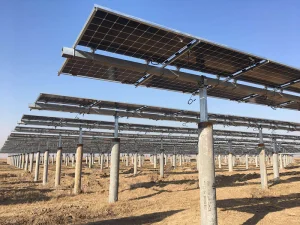
Optimized for 10–60 solar panels per set. Available in single-row or 2-row linked types, providing 15% to 30% production gains over fixed systems.

ZRT Tilted Single Axis System

Features a 10°–30° tilted axis to better track the sun’s azimuth angle, yielding 15%–25% more power than traditional mounting.

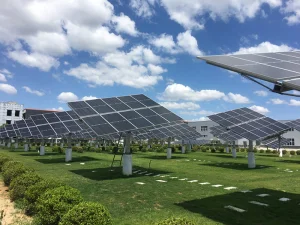
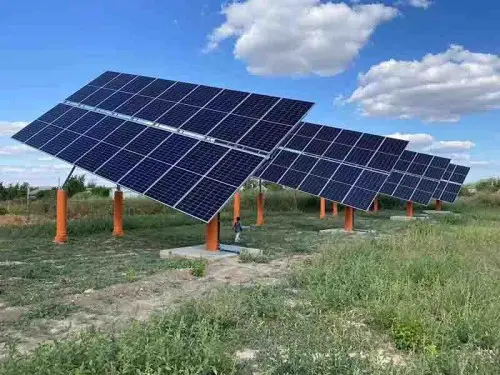
ZRD Dual Axis Tracking System

The ultimate efficiency solution. By tracking both altitude and azimuth angles, the ZRD system maximizes irradiance capture throughout the year, especially in high-latitude regions.

Future Outlook: The Age of Smart PV

Our R&D roadmap focuses on the "Internet of Energy" (IoE). We are currently developing:

  • Self-Powering Drive Systems: Trackers that utilize a dedicated small PV module and battery to operate independently of the main grid.
  • Predictive Maintenance: IoT sensors that monitor motor torque and vibration to predict component wear before failure occurs.
  • Wireless Communication: Zigbee or LoRa-based communication between trackers and the central controller to reduce cabling costs by up to 40%.

🌍Global Procurement & Compliance Assurance

For international EPCs and project developers, "bankability" is paramount. Shandong Zhaori New Energy provides comprehensive support to ensure project success across diverse jurisdictions.

Intellectual Property

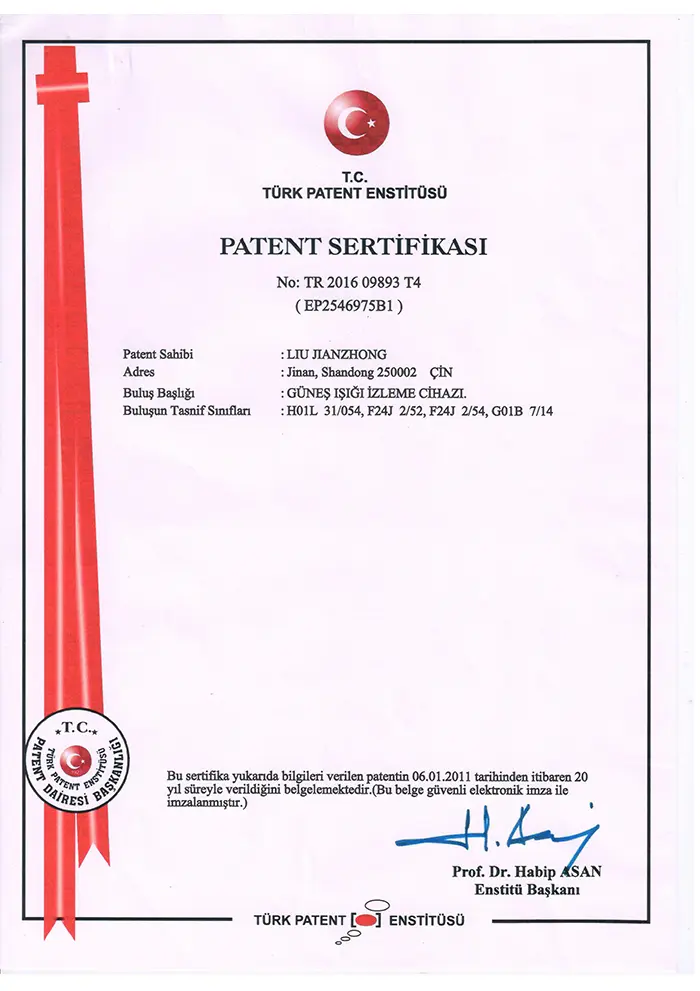
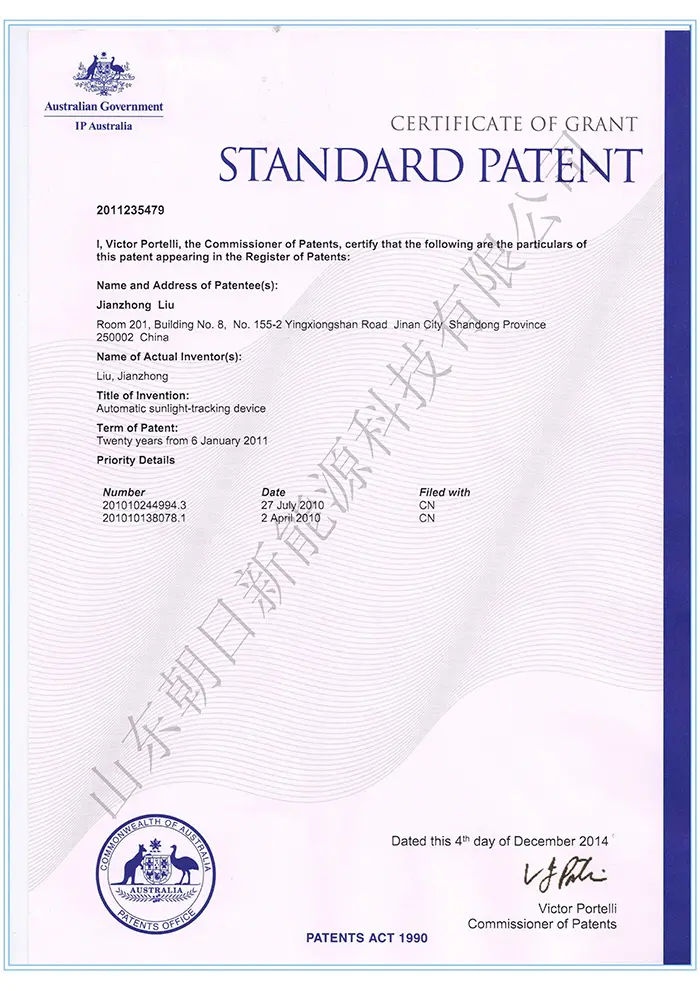
We hold invention patents from the European Patent Office, USA, Canada, Australia, Japan, South Korea, Thailand, India, Brazil, and South Africa, alongside 8 Chinese National Invention Patents.

Certification

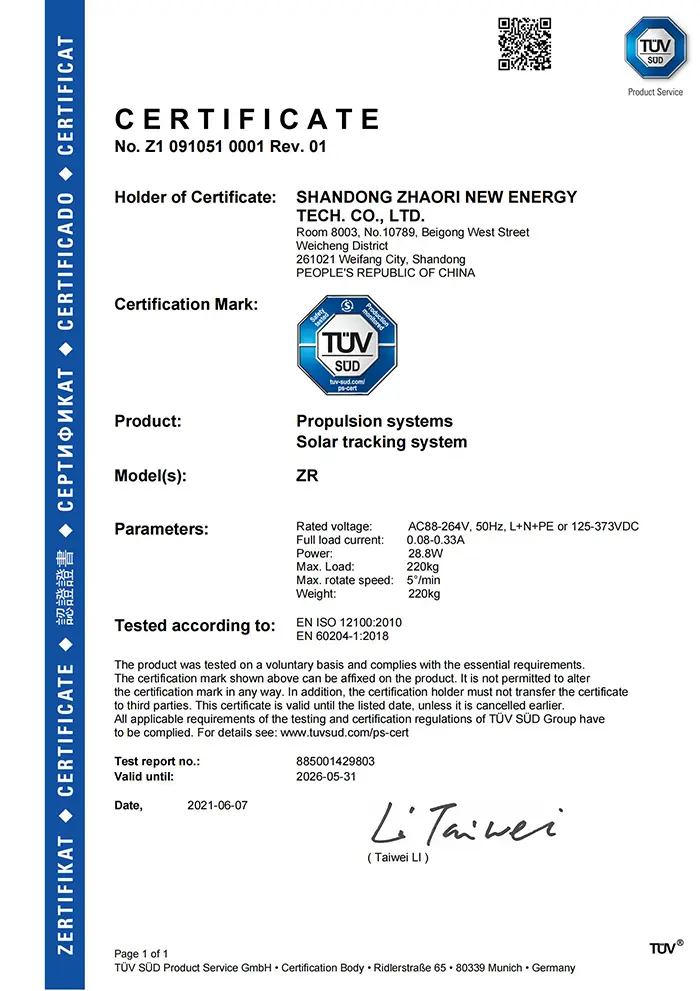
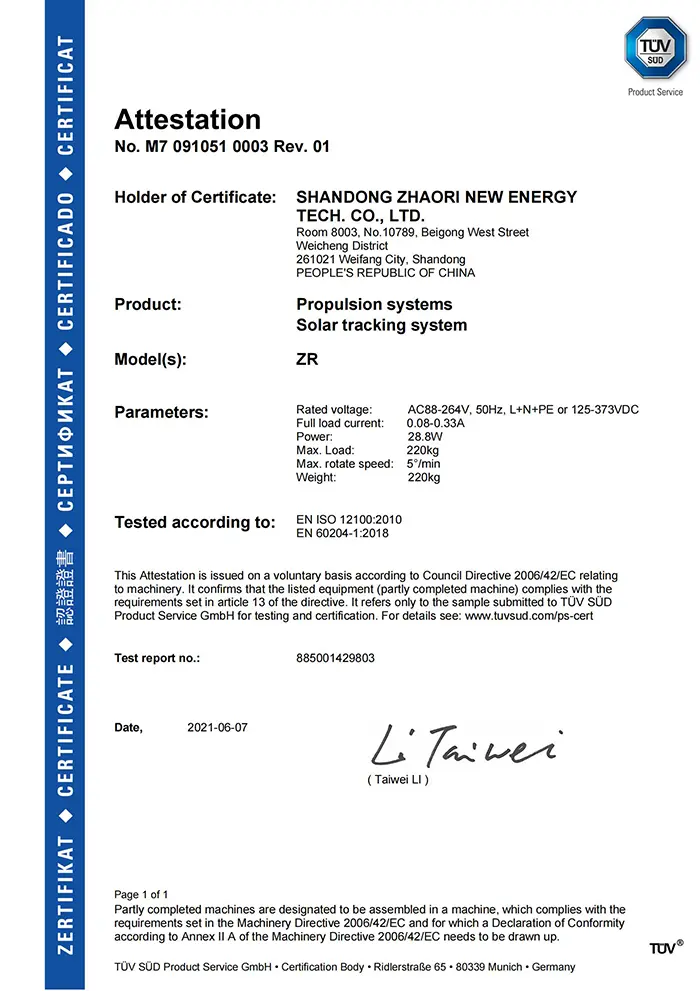
Our systems are fully certified by TUV, CE, and ISO, ensuring they meet the stringent safety and performance requirements of international utility-scale projects.

Localization

We offer customized solutions based on local soil conditions, wind speeds, and seismic requirements, providing on-site supervision and technical training for local installers.
🏗️Macro-Scale Industry Solutions

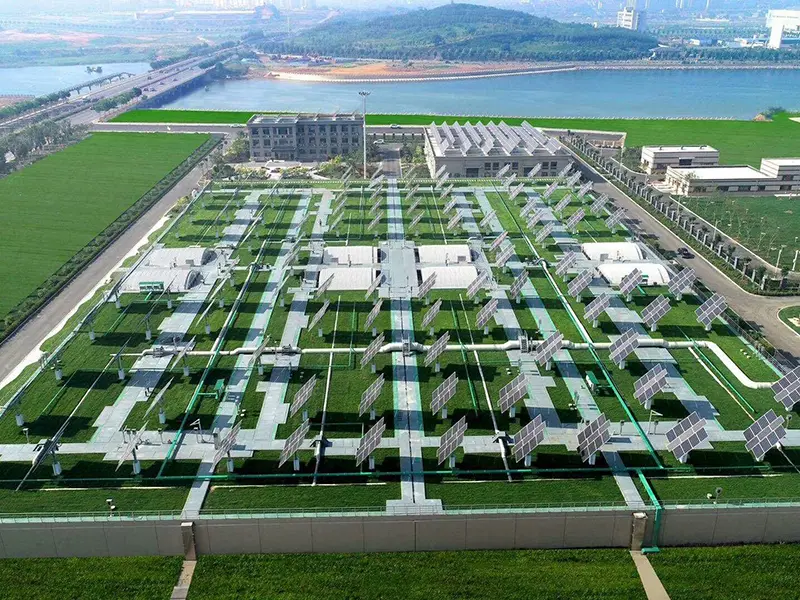
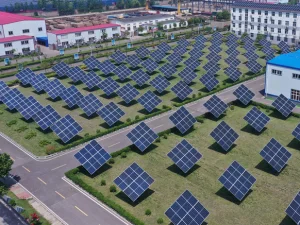
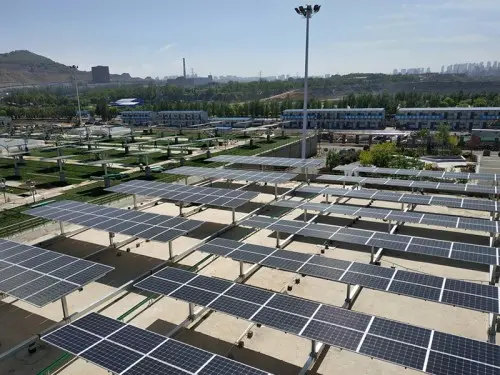
Industrial Factory Project

Industrial Rooftops

Optimized mounting for factory self-consumption, reducing peak energy costs.
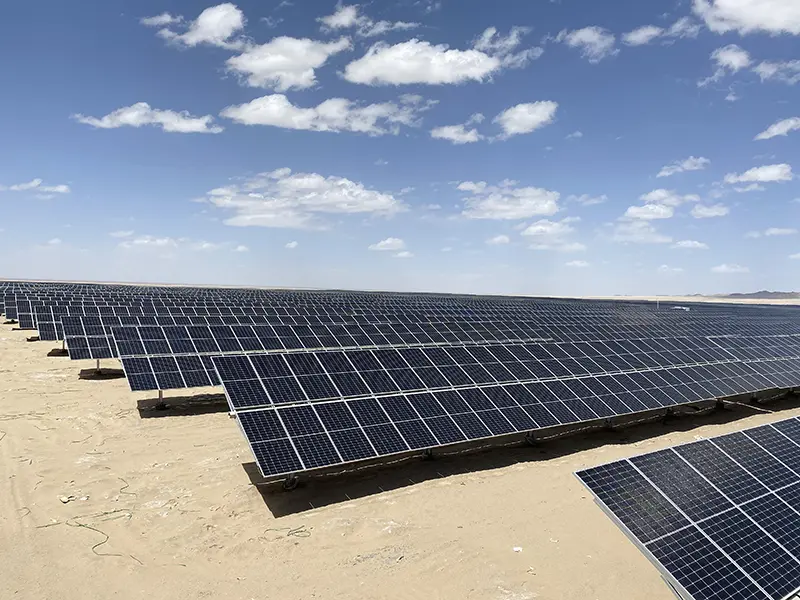
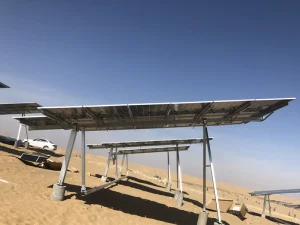
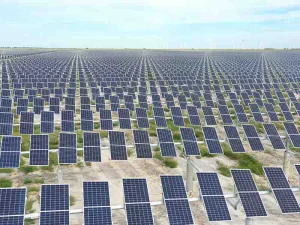
Desert Utility Project

Desert Utility Plants

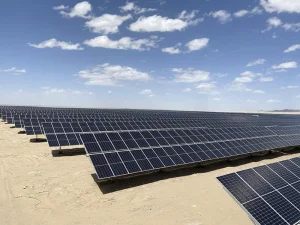
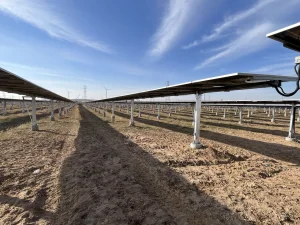
20MW+ projects in extreme heat, featuring dust-resistant drive mechanisms.
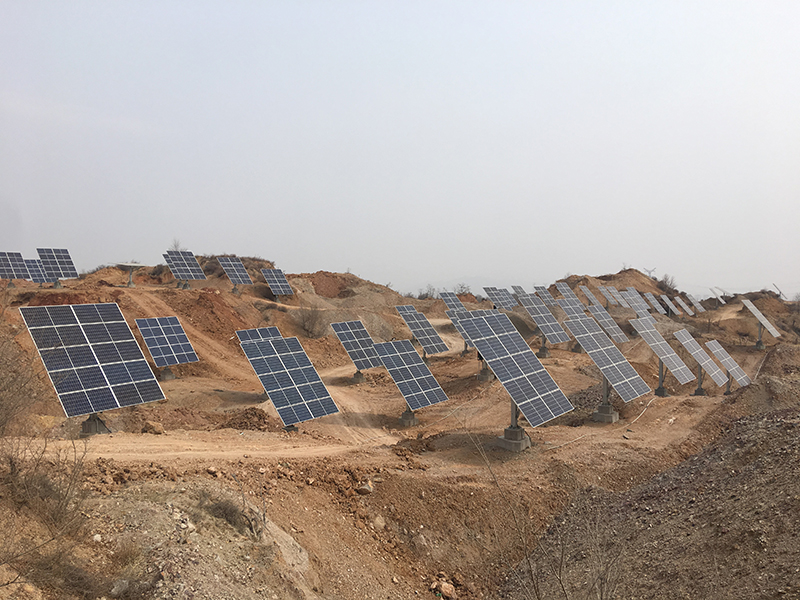
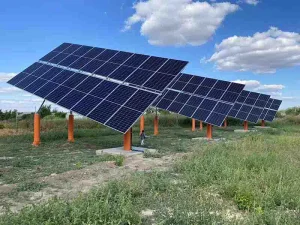
Mountain Project

Mountainous Terrain

Flexible tracker configurations for slopes and uneven ground.
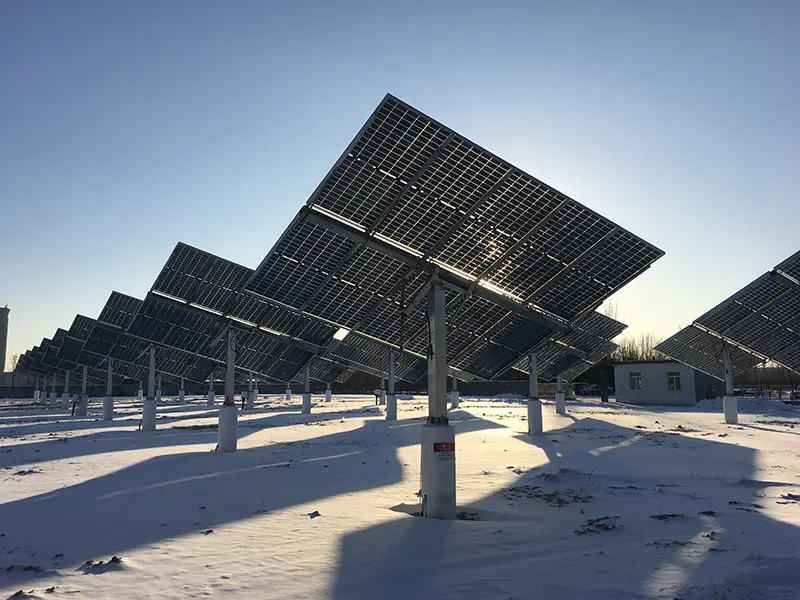
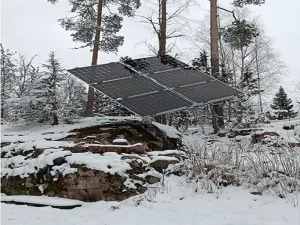
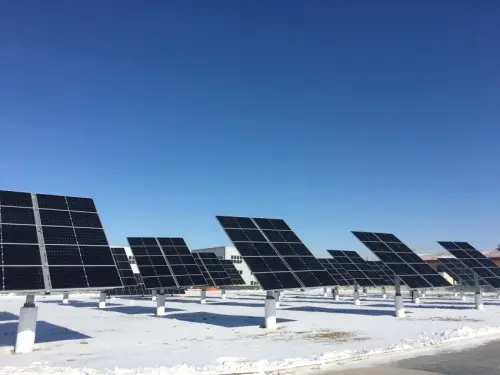
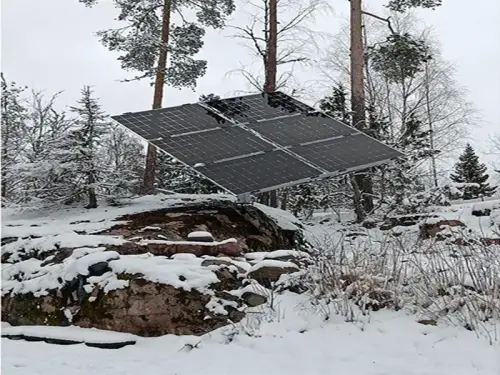
Snow Region Tracker

Snow-Prone Regions

Automatic high-tilt stow modes to shed snow and prevent structural damage.
📺Technology in Action

❓Frequently Asked Questions

1. What is the primary difference between ZRP (Single Axis) and ZRD (Dual Axis) systems?
ZRP systems track the sun's east-to-west movement, ideal for lower latitudes and flat terrains. ZRD systems track both horizontal and vertical movement, offering the highest possible yield, especially effective in high-latitude regions or space-constrained utility projects.
2. How does the tracking system handle high wind speeds?
All Zhaori trackers are equipped with an anemometer-linked controller. When wind speeds exceed safe thresholds (typically 18-22 m/s), the system automatically moves to a horizontal "stow" position to minimize wind resistance and protect the structure.
3. What is the typical ROI period for a solar tracker compared to a fixed bracket?
While the initial CAPEX for trackers is 10-15% higher, the 20-30% increase in energy production typically results in a shorter ROI period—often reduced by 1.5 to 2 years compared to fixed-tilt systems.
4. Do you provide localized installation support for international projects?
Yes. We provide comprehensive documentation, video tutorials, and for large utility-scale projects, we can deploy engineers for on-site commissioning and supervisor training to ensure structural integrity and compliance.
5. Are your systems compatible with the latest large-format 600W+ bifacial modules?
Absolutely. Our 1P and 2P configurations are specifically designed to accommodate large-format modules, with structural clearances optimized to maximize bifacial gain.