Advanced tracking technology tailored for low-latitude African solar environments.
Strategic Insights for Commercial and Industrial Solar Development
Ethiopia is currently undergoing a historic energy transformation. With the goal of becoming a middle-income country, the government has prioritized the National Electrification Program (NEP 2.0), aiming for 100% access by 2025. While hydropower from the Grand Ethiopian Renaissance Dam (GERD) remains the backbone, solar energy is the critical diversifier to combat seasonal water variability.
The "Flat Single Axis Tracker" has emerged as the technology of choice for utility-scale projects in the Rift Valley and the Afar regions, where Direct Normal Irradiance (DNI) exceeds 2,500 kWh/m² per year. These systems offer up to a 25% increase in energy yield compared to fixed structures, making them essential for ROI-driven developers.
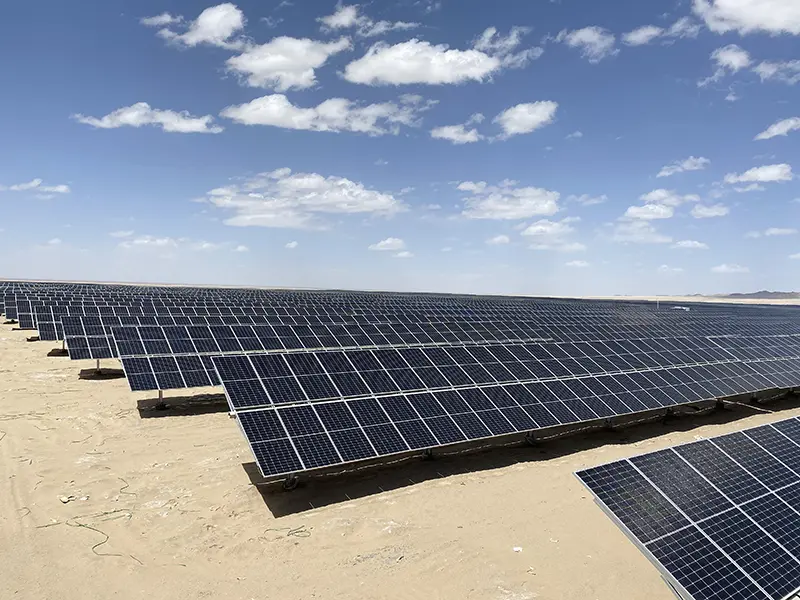
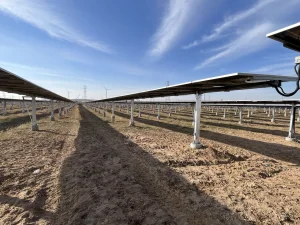
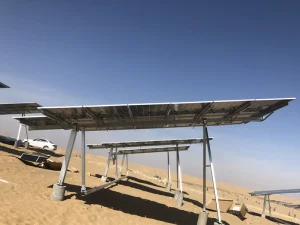
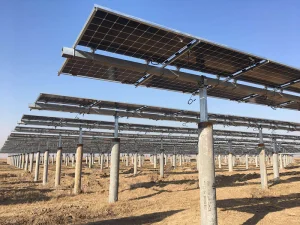
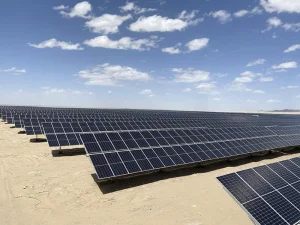
Reference: 20MW Solar Tracker Implementation in Desert Terrain
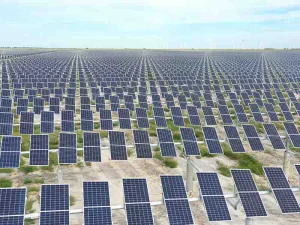
Engineered for the unique topography and climatic conditions of the Horn of Africa.
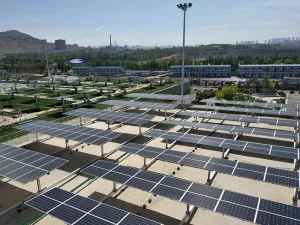
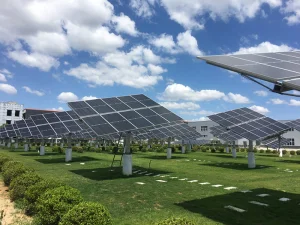
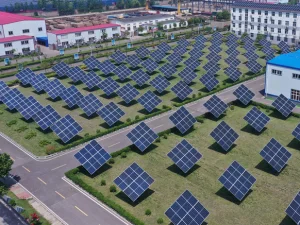
With Ethiopia's boom in Industrial Parks (Hawassa, Bole Lemi), FSAT systems provide reliable, cost-effective onsite power generation for textile and manufacturing hubs.
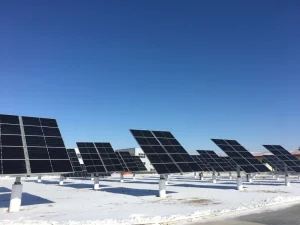
Optimizing the energy curve for irrigation systems in the coffee-growing regions. Single-axis tracking extends the pumping window during morning and evening hours.
Fully compliant with international EOI (Expression of Interest) standards for Independent Power Producers working with Ethiopian Electric Power (EEP).
Bridging Chinese manufacturing excellence with Ethiopian local requirements.
Shandong Zhaori New Energy Tech. Co., Ltd. is a high-tech company based on independent intellectual property rights. Founded in 2012, our team focuses on photovoltaic power stations and solar tracking technology for more than 10 years. With 10 specialized departments including R&D, Technical Engineering, and Foreign Trade, we employ over 60 professional technology talents dedicated to renewable innovation.
Our principle is: More Simple, More Reliable, More Effective.
Our factory covers an area of 50,000 square meters, equipped with CNC machine tools, laser cutting machines, and automatic welding robots. We maintain strict quality control level by level, ensuring that every bracket and tracker delivered to the Ethiopian market meets TUV, CE, and ISO certification standards.
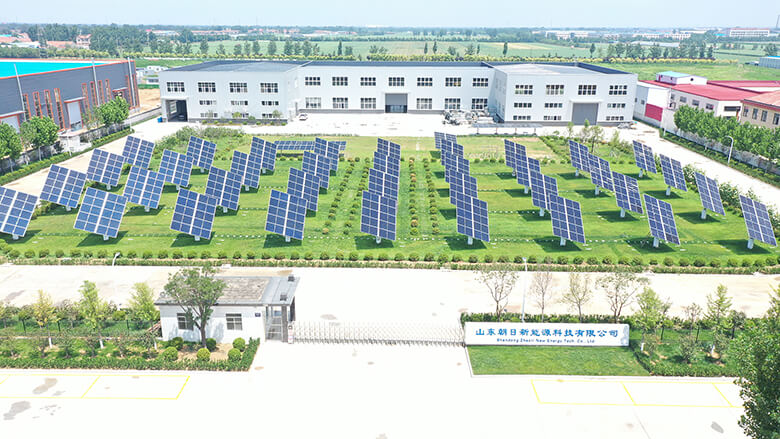
Innovation in Solar Tracking Algorithm and Structural Resilience
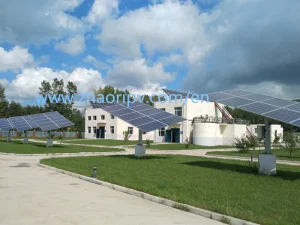
Export-ready solutions for diverse installation environments.
Trusted reliability backed by international engineering standards.
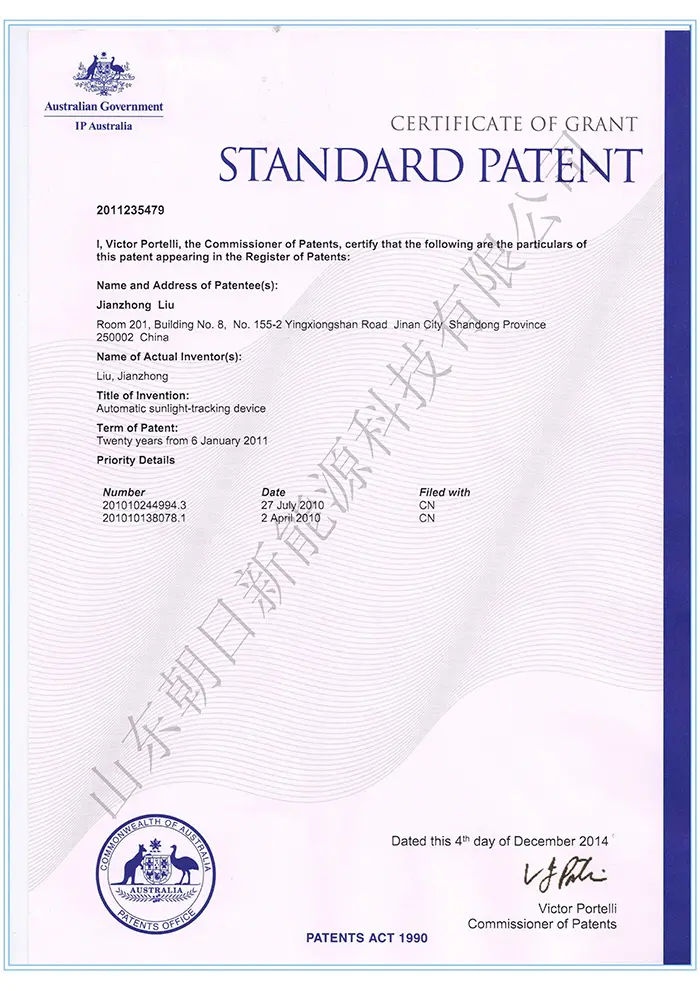
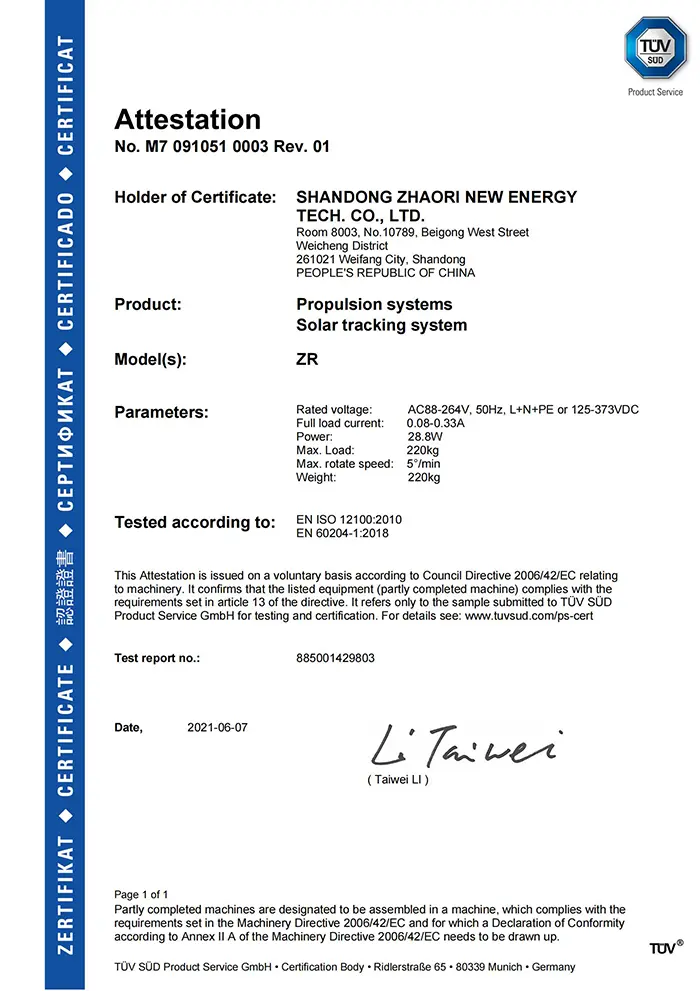
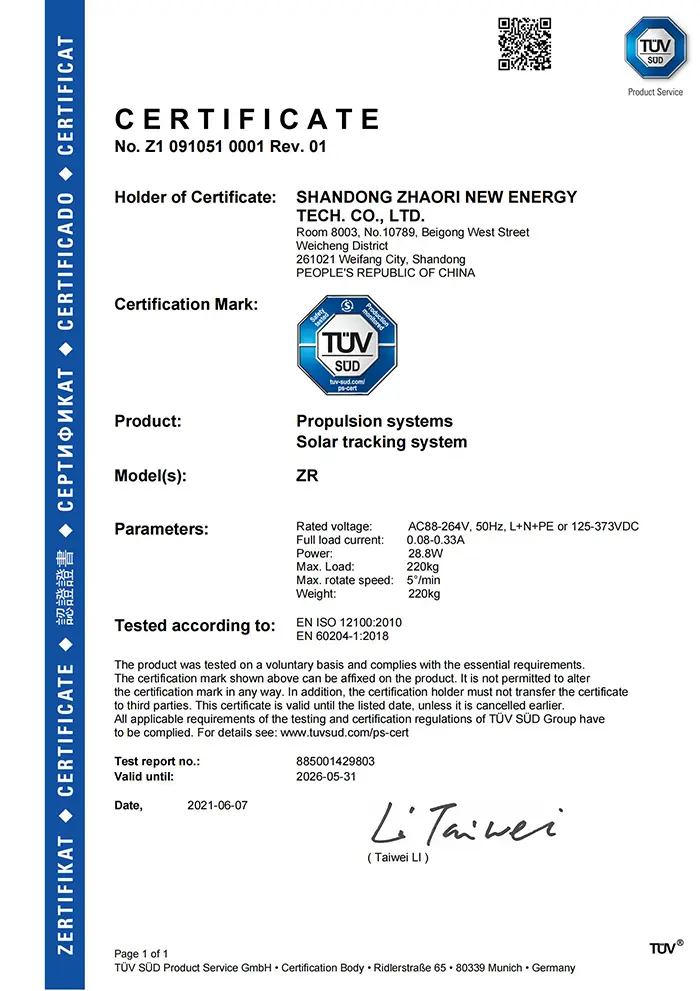
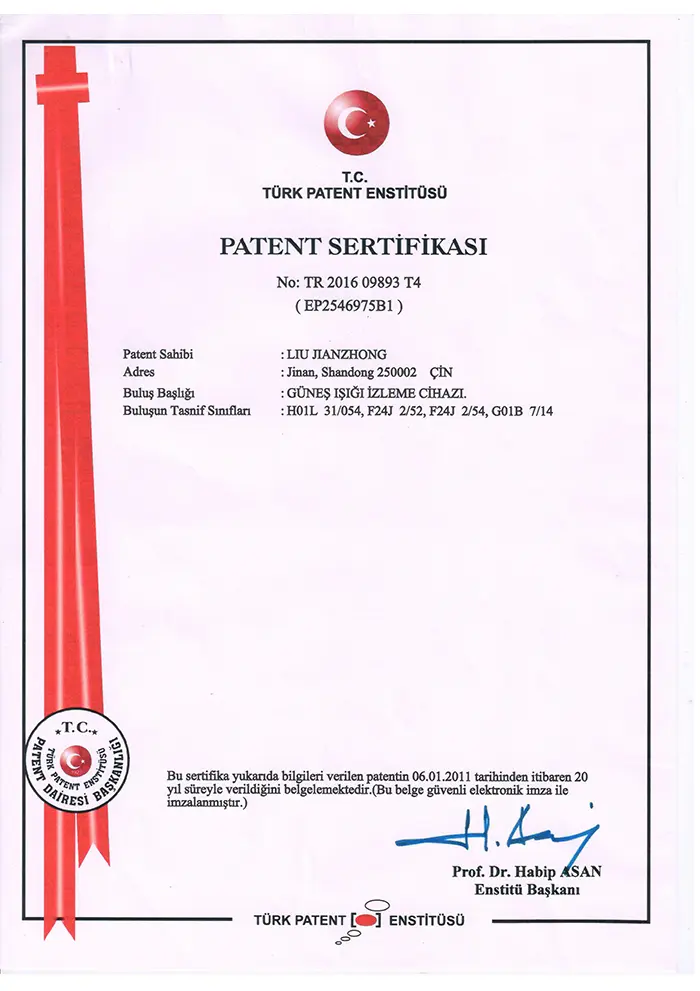
Our products have obtained invention patents from the European Patent Office, USA, Canada, Australia, Japan, South Korea, Thailand, India, Brazil, and South Africa, alongside over 30 utility model patents in China.
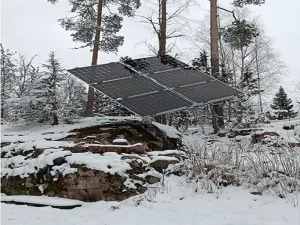
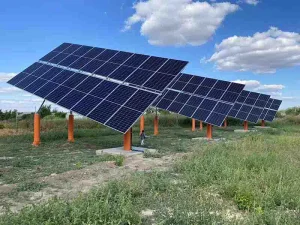
Proven performance in extreme environments across the world.
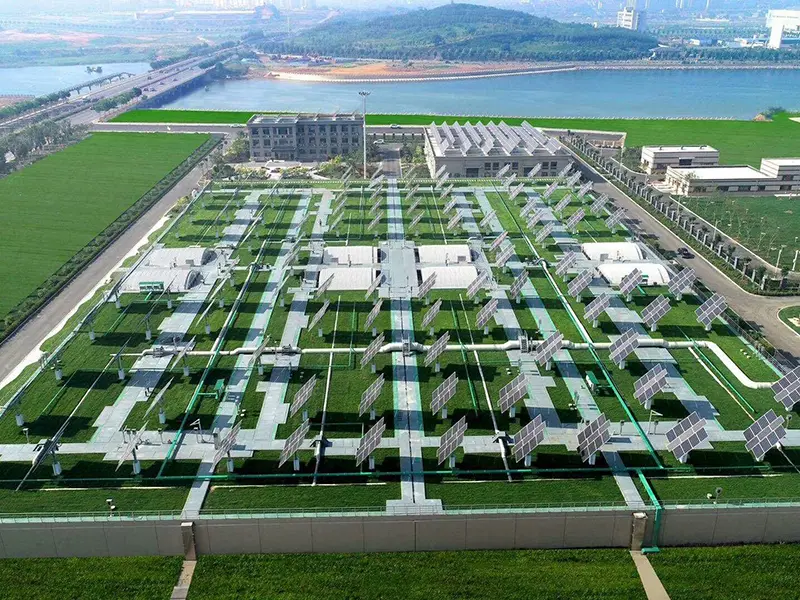
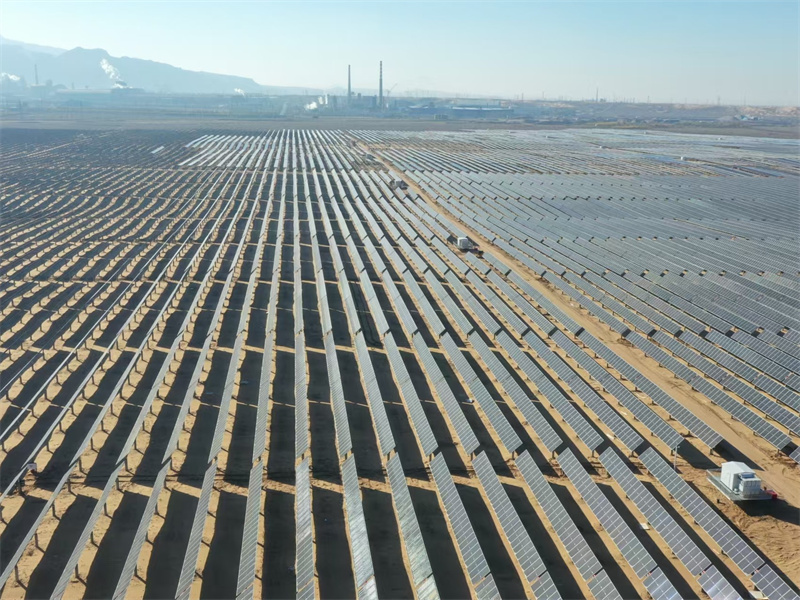
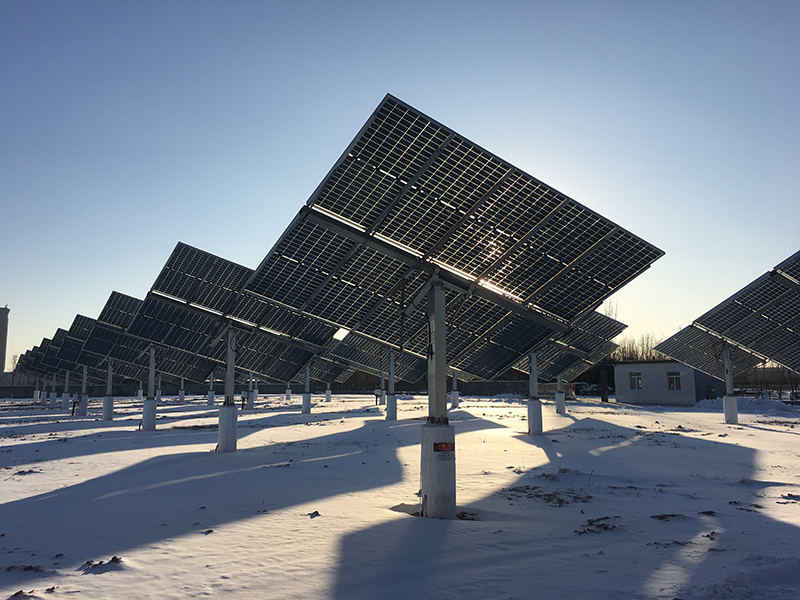
Expert answers for Ethiopian solar developers and procurement managers.
Because Ethiopia is located near the equator (approx. 3°N to 15°N), the sun remains high in the sky. Flat Single Axis Trackers (FSAT) follow the sun's east-to-west path perfectly at these latitudes, capturing significantly more irradiation than fixed systems which cannot adjust to the sun's position. This results in a 15% to 30% increase in energy production.
Our systems include automated "Stow Modes" triggered by anemometers (wind sensors). When wind speeds exceed a safety threshold, the tracker automatically moves to a horizontal position to minimize wind resistance, ensuring structural integrity even during intense storms.
Zhaori trackers are designed for "Simple and Reliable" operation. Maintenance is minimal, primarily involving periodic inspection of the drive mechanism and cleaning of the sensors. Our localized support strategy includes training for Ethiopian technicians to ensure long-term operational health.
Yes. Our products are exported globally and meet international quality standards (TUV, CE, ISO). We provide all necessary documentation for customs clearance in Ethiopia and can work with local logistics partners to ensure a smooth delivery to project sites in Addis Ababa, Dire Dawa, or Hawassa.
Visualizing the power of solar tracking technology.
 Zhaori