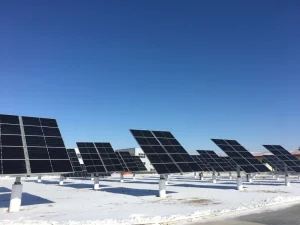
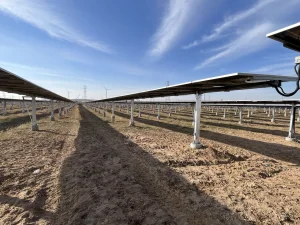
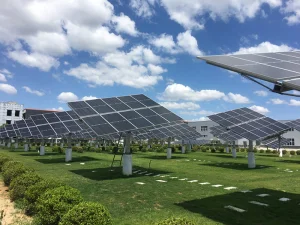
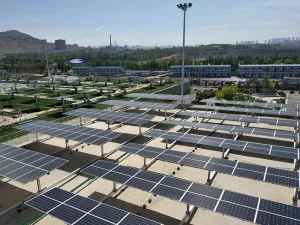
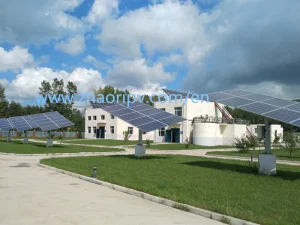
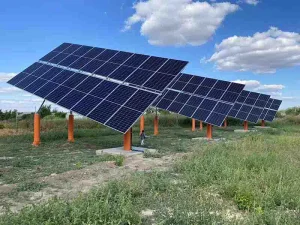
Engineered for maximum ROI, simplified seasonal tilt adjustments, and ultra-durable performance in Pacific tropical environments.
As the primary economic hub of Papua New Guinea (PNG), Port Moresby faces significant electrical infrastructure bottlenecks. Commercial operations, industrial processing facilities, and remote infrastructure projects across the National Capital District (NCDC) endure frequent grid instability and escalating tariff structures from PNG Power Limited (PPL). Consequently, transitioning to commercial and industrial (C&I) solar photovoltaic systems has evolved from an environmental initiative to a mission-critical financial strategy.
However, deployment of solar mounting infrastructure in Port Moresby demands specialized engineering. Located at latitude 9.44° S, Port Moresby experiences distinct equatorial solar trajectory dynamics alongside aggressive environmental stressors, including high relative humidity, intense marine salt aerosol deposition from the Gulf of Papua, and localized tropical storm wind shear.
Why Manual Adjustable Solar Racks Outperform Static & Active Trackers in PNG:
While fixed-tilt mounting systems miss up to 12% of annual irradiance and motor-driven dual-axis trackers face high risk of mechanical failure due to humidity and lack of local spare parts, Manual Adjustable Solar Racks deliver the optimal balance: maximum seasonal power generation gain with zero electronic failure points.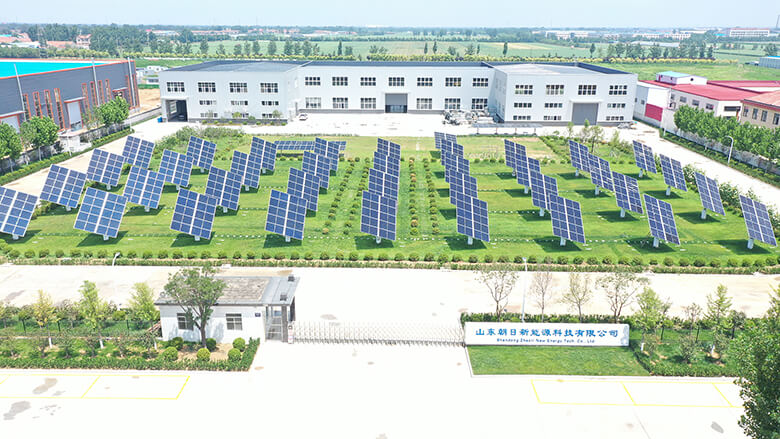
Shandong Zhaori New Energy Tech Co., Ltd. builds manual adjustable solar rack systems engineered specifically to withstand extreme tropical weather while maximizing solar yield.
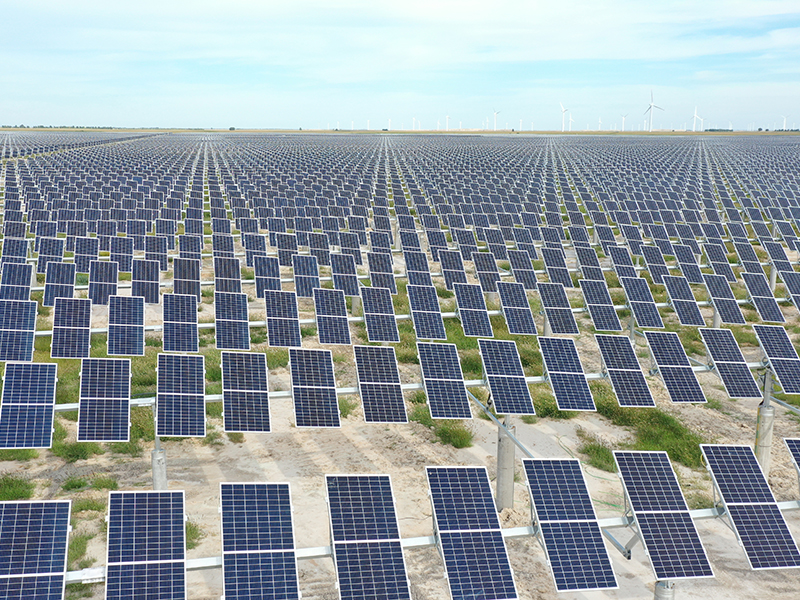
Equatorial sun angles shift northwards between April and September and southwards between October and March. Our manual racks feature pre-engineered quick-release locking mechanisms (0°, 10°, 15°, 25° settings), enabling non-technical site maintenance teams in Port Moresby to adjust solar arrays in minutes without specialized machinery.
Port Moresby's coastal proximity subjects equipment to extreme marine salt atmospheric corrosion. All structural steel components undergo Hot-Dip Galvanizing (HDG) in accordance with ISO 1461 / ASTM A123, ensuring zinc coating thickness >85 µm. Fasteners and hardware are crafted from Grade 316 Stainless Steel and DACROMET coated hardware.
Designed using Finite Element Analysis (FEA) modeling under AS/NZS 1170.2 structural wind load standards, our racks easily handle cyclonic gusts up to 60 m/s. Base foundation designs accommodate both pile-driven ground screws and concrete ballasts for quick deployment in diverse PNG geology.
| System Parameter | Standard Fixed Bracket | Zhaori Manual Adjustable Rack | Active Dual-Axis Tracker |
|---|---|---|---|
| Annual Solar Energy Gain | Baseline (0%) | +10% to +18% Gain | +25% to +35% Gain |
| CAPEX / Initial Investment | Lowest | Moderate / Highly Economical | High (Motors & Sensors) |
| OPEX / Maintenance Complexity | Zero | Ultra-Low (Manual Tilt 2x/Year) | High (Frequent servicing required) |
| Wind Resistance Threshold | 45 m/s | Up to 60 m/s (Cyclonic Rated) | Stow Position Required (<35 m/s) |
| Corrosion Protection | Standard Galvanizing | HDG ISO 1461 (>85μm Zinc) / C5 Marine | Standard Mechanical Joints |
| Ideal PNG Application | Small Residential Rooftops | Port Moresby C&I, Off-grid Microgrids | Utility Scale (Controlled Environment) |
Providing robust, dependable mounting hardware across key commercial, mining, agricultural, and logistics hubs.
Ideal for major commercial hubs in Gordon, Nine Mile, and the Motukea Port enclave. Easily mounted on ground foundations or reinforced roof beams to cut diesel generator dependencies during peak utility load shedding.
Heavy-duty adjustable piles capable of quick manual angle correction, designed for remote off-grid operations surrounding the Central Province, telecom towers, and water pumping microgrids.
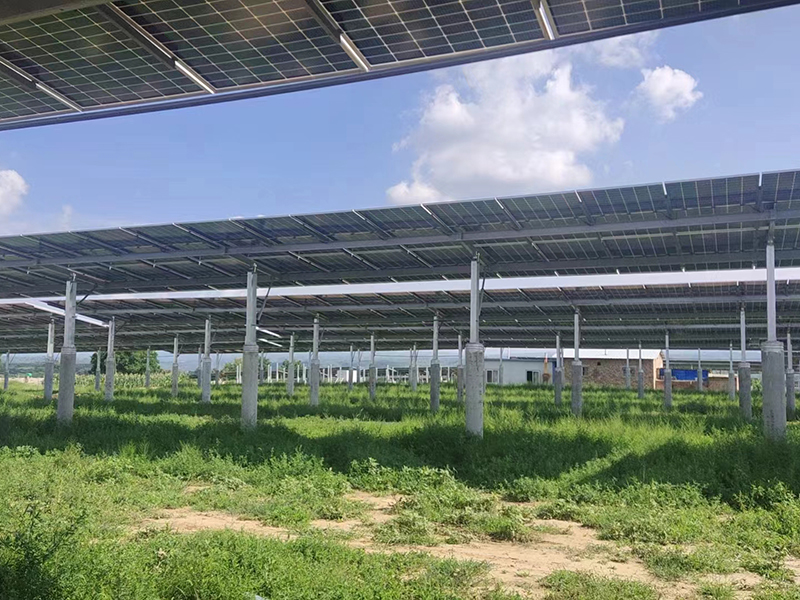
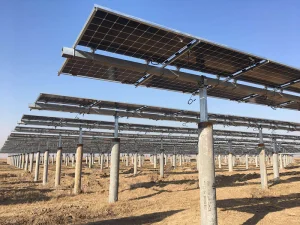
High clearance structural frames supporting elevated bifacial module setups, tailored to prevent dirt accumulation during the tropical wet season and allow multi-use agricultural land usage beneath panels.
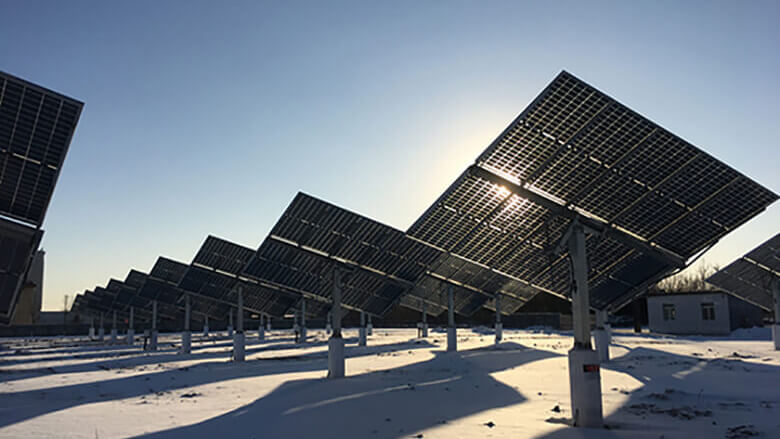
Founded in June 2012, Shandong Zhaori New Energy Tech. Co., Ltd. stands as a world-class high-tech enterprise possessing complete independent intellectual property rights over solar mounting and tracking technologies.
Our state-of-the-art production complex spans 50,000 square meters, powered by advanced automated CNC machine tools, high-speed fiber laser cutting systems, automatic welding robots, and multi-axis plasma cutters. With over 300 skilled workers and 60+ senior R&D engineers, our facility maintains a robust monthly manufacturing capacity of 500MW.
Every batch of raw material—from structural carbon steel to specialized aluminum profiles—undergoes strict level-by-level inspection, anti-rust treatments, precision drilling, and stress testing, conforming fully to ISO 9001 quality system certifications, TUV, and CE standards.
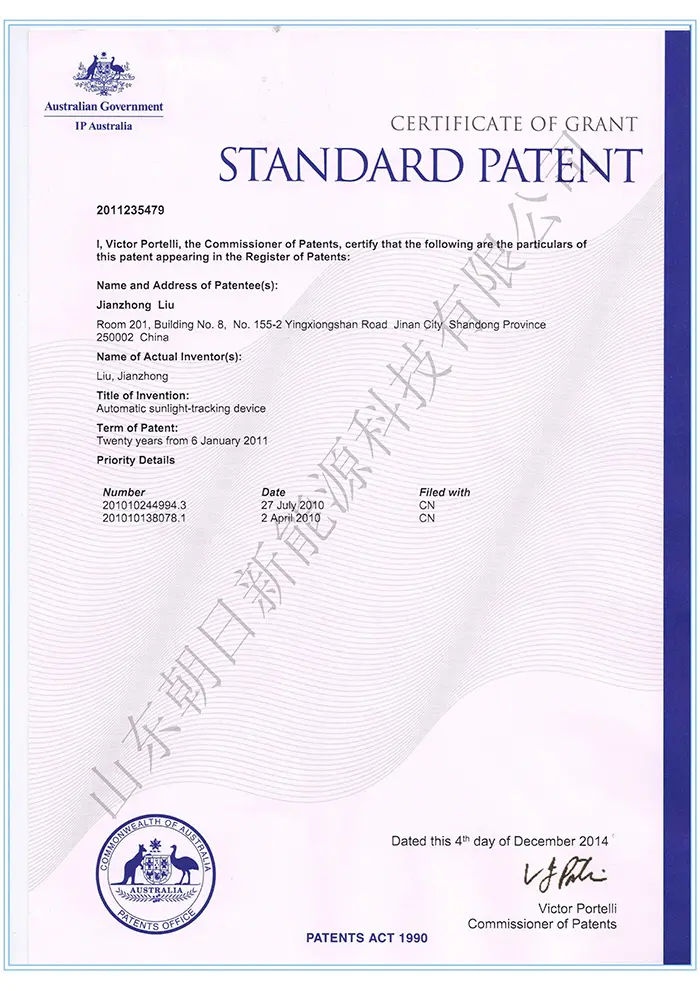
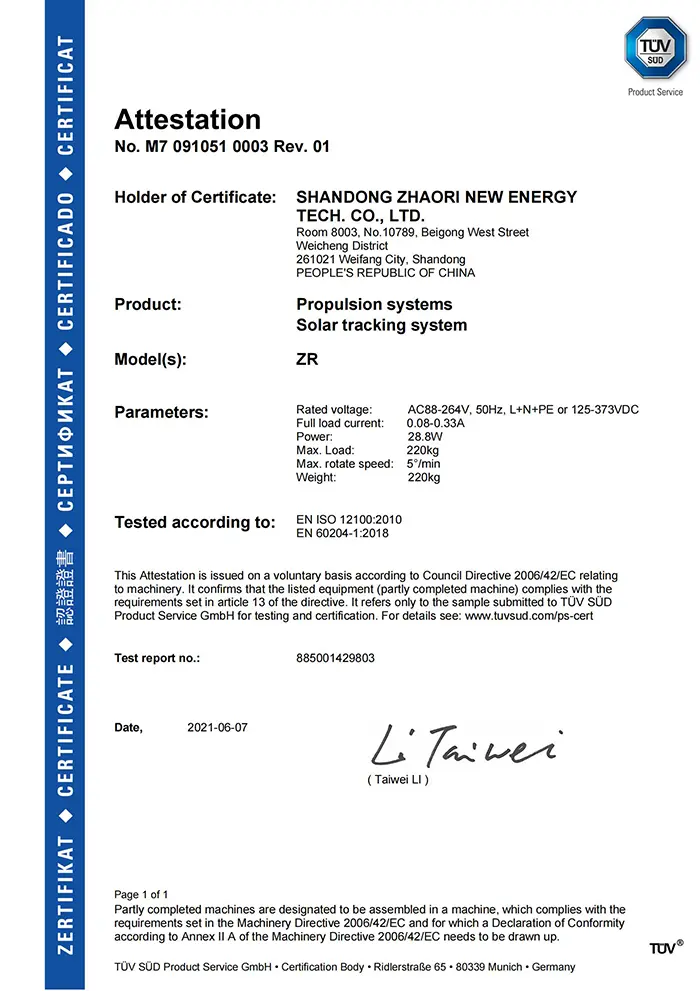
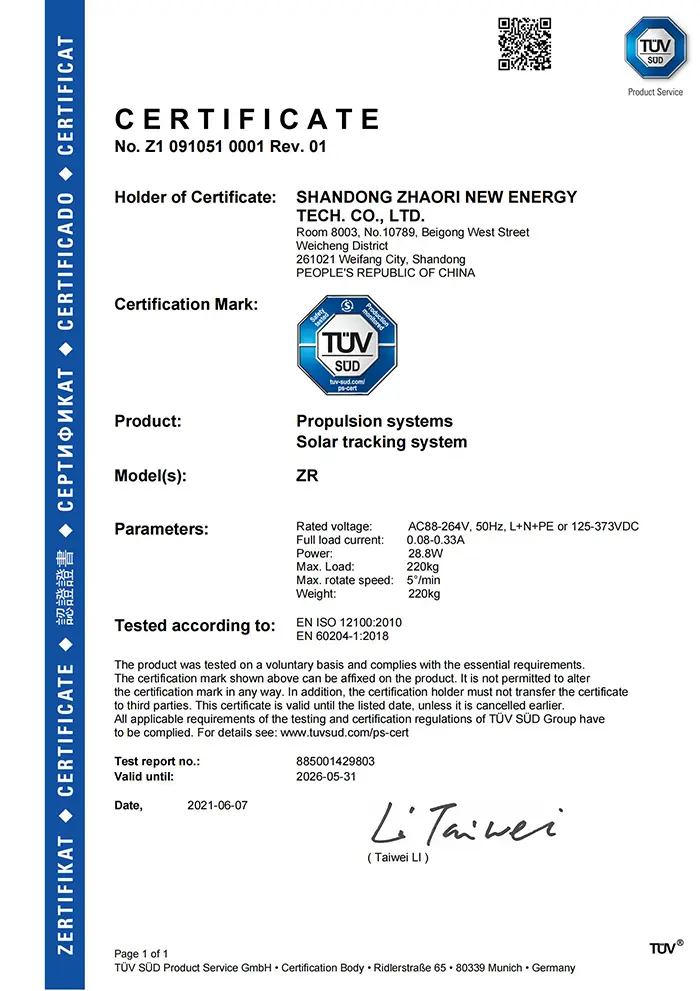
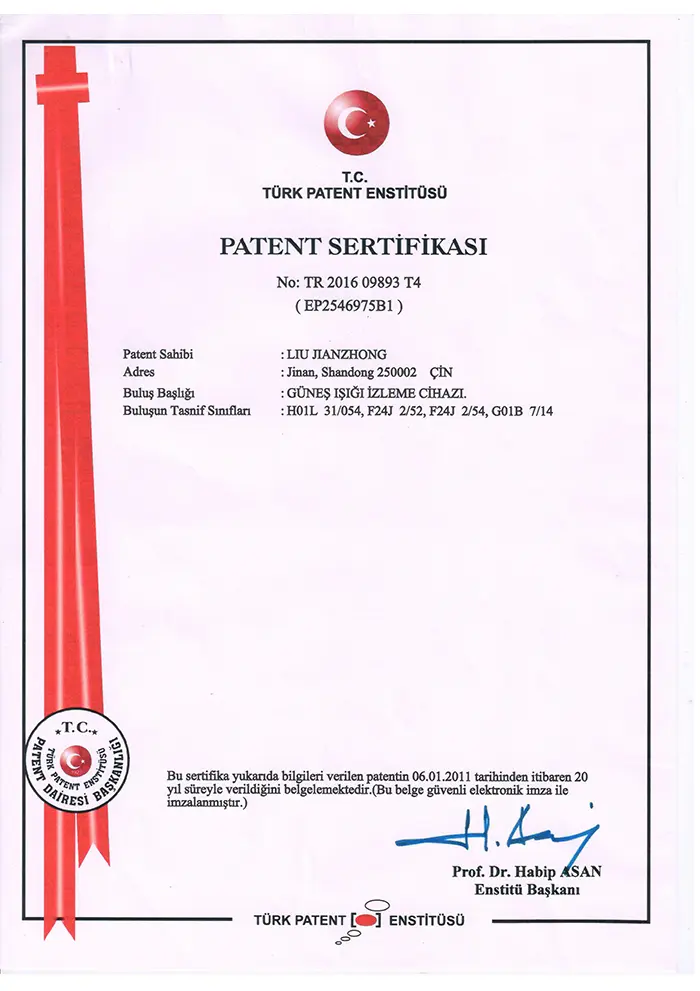
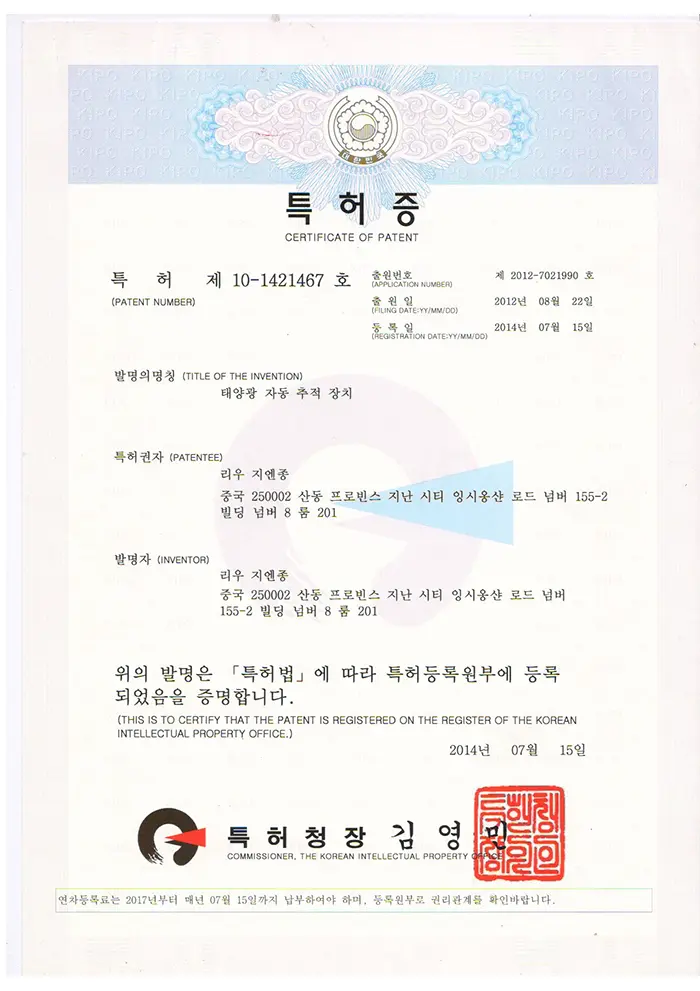
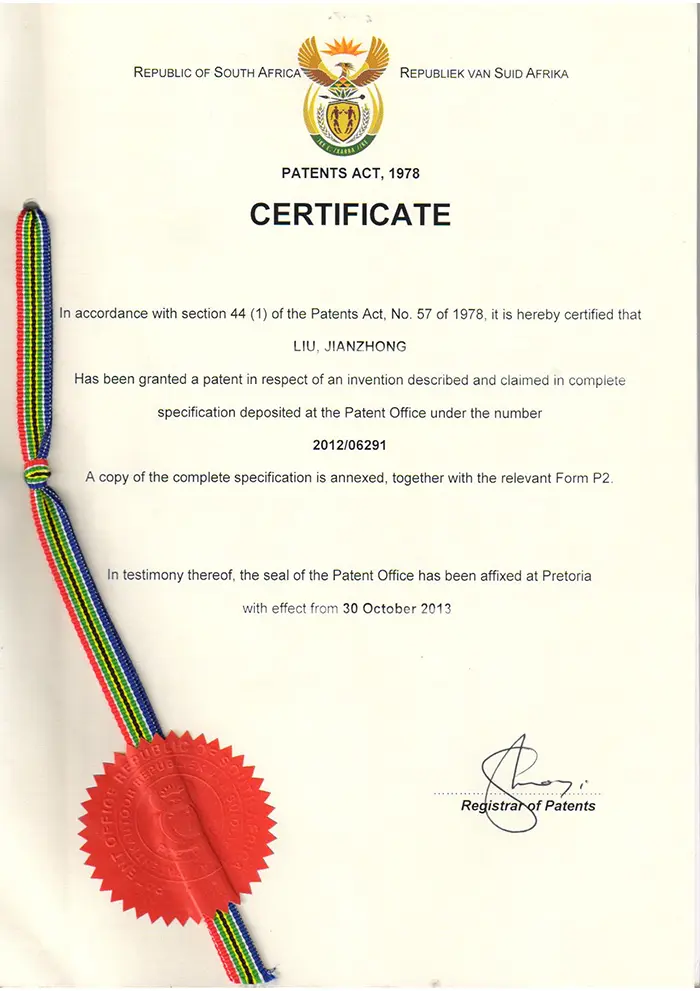
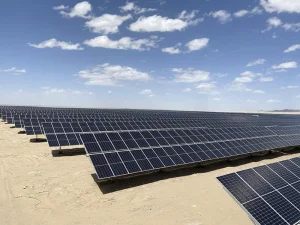
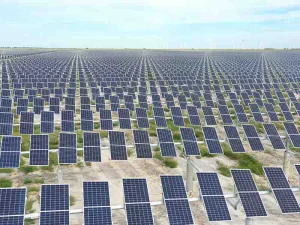
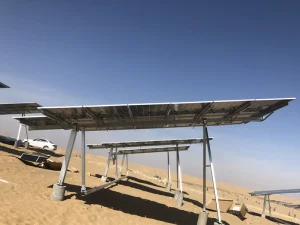
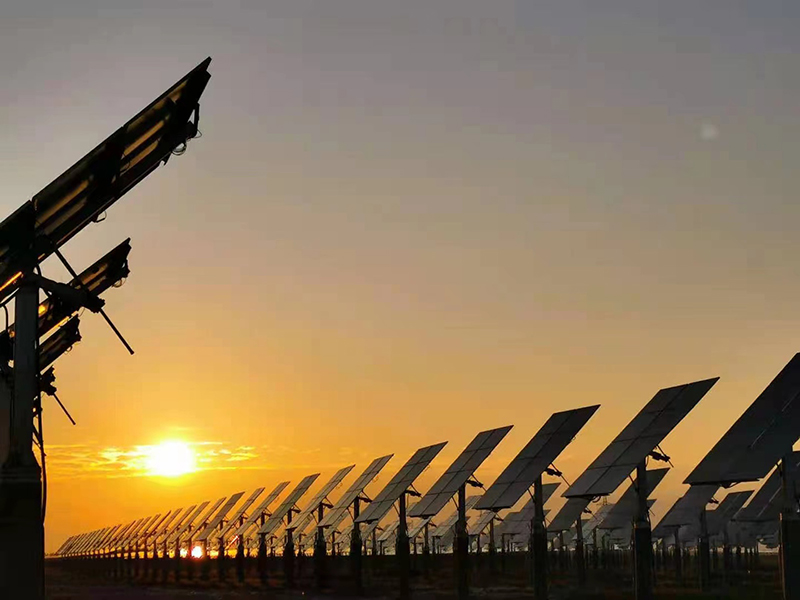
Explore real-world engineering projects deployed across complex terrains, from high-wind coastal environments to extreme desert climates.
Direct supply from China's premier manufacturer to Port Moresby Port with complete customs compliance and logistics assurance.
Addressing real-world engineering, logistics, structural, and return-on-investment concerns for EPC contractors and business owners in PNG.
Port Moresby is located near 9.44° South latitude. Due to the equatorial movement of the sun, optimal power output is achieved by adjusting tilt angles twice a year: transitioning to a Northward tilt angle (~15°-20°) around April for the Southern Hemisphere winter, and adjusting to a Southward or flat position (~5°-10°) around October. This simple 15-minute operational shift per row captures up to 15% more cumulative annual irradiance compared to fixed installations.
While active solar trackers deliver slightly higher annual yields, their complex electric actuators, control sensors, and motor drives are highly vulnerable to coastal humidity, tropical storm lightning strikes, and marine salt buildup. In PNG, replacement parts and skilled electronics technicians can be expensive and slow to source. Manual adjustable racks offer zero electronic failure risk, maximum structural reliability, and low lifetime maintenance costs.
Coastal areas around Port Moresby (such as Motukea Island and Fairfax Harbour) present severe C5-M atmospheric corrosion risks. All Shandong Zhaori structural carbon steel beams and legs undergo Hot-Dip Galvanizing (HDG) compliant with ISO 1461 and ASTM A123, yielding a minimum average zinc coating thickness of >85 µm. Aluminum components feature anodization >15 µm, and all assembly fasteners utilize SS316 or DACROMET-treated steel to prevent galvanic corrosion.
Yes. All rack configurations undergo extensive Finite Element Analysis (FEA) testing in accordance with AS/NZS 1170.2 wind load standards, rated to withstand wind velocities up to 60 m/s (Category 4 typhoon/cyclone equivalent). Furthermore, our flexible ground pile and concrete ballast footing designs absorb ground vibration, ensuring structural survival in PNG’s seismically active zones.
Our 50,000 m² automated facility produces up to 500MW per month. Standard production time for 1MW to 10MW commercial rack orders is 15-20 days. Ocean freight from Qingdao or Tianjin Port directly to Port Moresby Port typically takes 18-25 transit days. We provide full export packing, containerization optimization, container loading diagrams, and complete customs documentation for PNG clearance.
Absolutely. Our mounting rails, mid-clamps, and end-clamps are custom-engineered to accommodate all major tier-1 PV module dimensions, including 182mm and 210mm wafer cell formats (bifacial and monofacial). Elevated clearance options are also available to maximize rear-side albedo gain on gravel, concrete, or light-colored ground surfaces.
Contact our senior photovoltaic structural engineers today for tailored structural drawings, wind load calculations, factory-direct wholesale pricing, and full technical documentation.
Send Inquiry Now Zhaori