Engineered for high-yield commercial and utility-scale installations, matching the specific wind load and latitude requirements of Northern Vietnam.
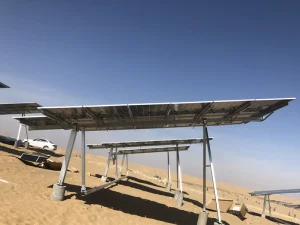
Designed specifically to track the sun's elevation profile in high-latitude subtropical regions, recovering up to 25% energy losses compared to fixed systems.
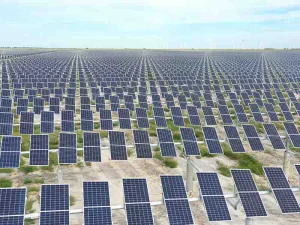
Combine the cost efficiency of single-axis mechanisms with the optimal slope design required for seasonal monsoon cloud coverings.
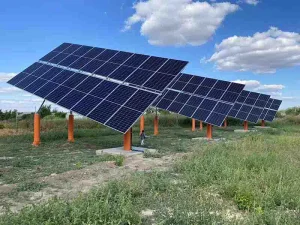
Features 10°–30° tilt configuration mounting up to 20 solar modules. Perfect for maximizing energy density in localized C&I rooftops.
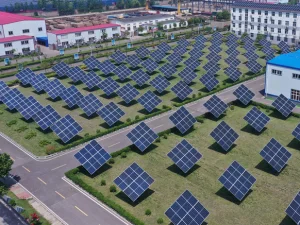
Double-axis design provides real-time sun positioning, achieving up to 35% performance improvement for specialized applications and remote grids.
Unlike Southern Vietnam's abundant year-round sun, Hanoi and the Red River Delta present a highly unique climatological challenge for solar asset managers. The region experiences a humid subtropical climate characterized by severe winter cloud cover, prolonged periods of high humidity, and monsoon-driven heavy precipitation. Average direct normal irradiance (DNI) drops significantly from November to March due to the "crachin" (overcast skies with light drizzle), leaving a high percentage of diffuse light.
In this low-light environment, static solar mounts underperform. Furthermore, standard horizontal single-axis trackers (HSAT) experience tracking losses because the sun tracks low along the southern horizon during winter months. This is where Tilted Single Axis Trackers (TSAT) become a strategic imperative. By combining a structural north-south tilt (ranging from 10° to 30°) with daily azimuthal tracking, TSAT structures optimize the angle of incidence during low-elevation periods and optimize diffuse horizontal irradiance (DHI) capture.
Under Hanoi’s typical irradiance spectrum, implementing a tilted tracking geometry minimizes reflections off the front glass and leverages the back-side gain of modern bifacial PV modules. This physical arrangement yields a 15% to 25% generation premium over conventional fixed structures, presenting developers in Northern Vietnam with a highly optimized LCOE (Levelized Cost of Energy).
How we design trackers to withstand Hanoi's high wind zones, active typhoons, and corrosive humid environments.
Equipped with smart wind speed sensors. When wind speeds exceed 18 m/s, the system automatically triggers a defensive horizontal stow angle mode, capable of surviving wind loads up to 55 m/s.
Steel structural components are subjected to a rigorous hot-dip galvanization process (average thickness >85μm) or ZM coating. This ensures durability in Hanoi’s corrosive atmospheric humidity.
Integrated astronomical positioning with close-loop backtracking. Under cloud cover, the tracking program calculates shadows dynamically, correcting angular positioning to eliminate panel-on-panel shading.
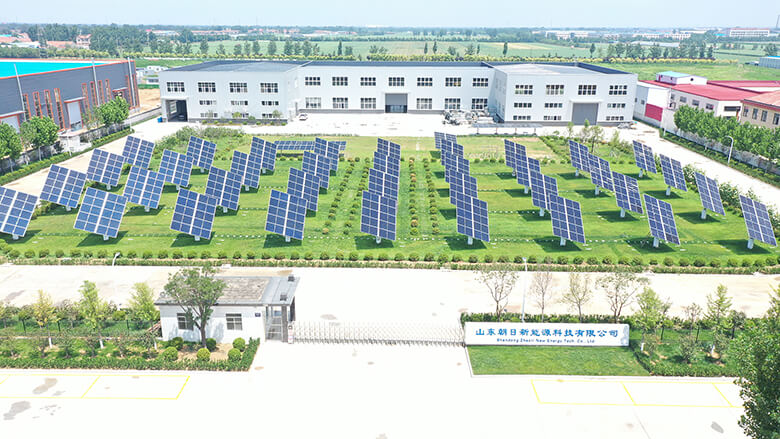
Shandong Zhaori New Energy Tech. Co., Ltd. stands as a leading high-tech clean energy enterprise utilizing proprietary intellectual property rights to manufacture high-yield solar tracking systems. Founded in June 2012, the organization operates 10 core divisions, including dedicated R&D, structure engineering, quality assurance, and international logistics. With more than 60 professional technology talents, the structural engineering team has spent over 10 years refining mechanical trackers.
Our state-of-the-art production factory covers an area of 50,000 square meters. The manufacturing facility features advanced production systems including high-precision CNC machine tools, automated fiber laser cutting machines, robotic welding arrays, and plasma cutting units. By executing all processes in-house—from raw steel screening and profiling to final galvanization and stress testing—we maintain complete control over structural tolerance and guarantee a delivery capacity of 500MW per month.
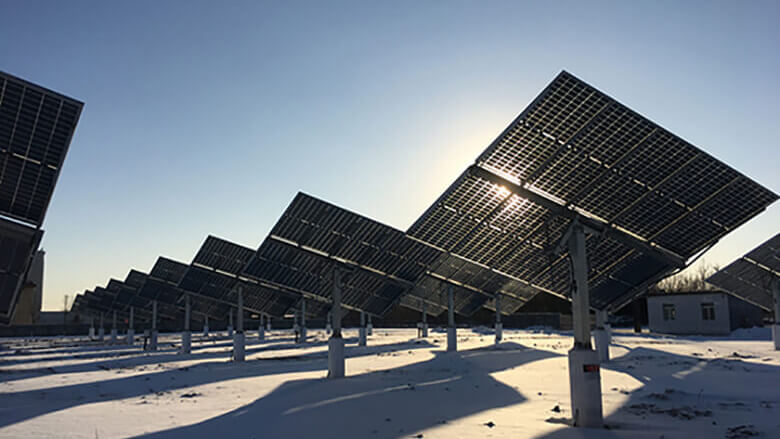
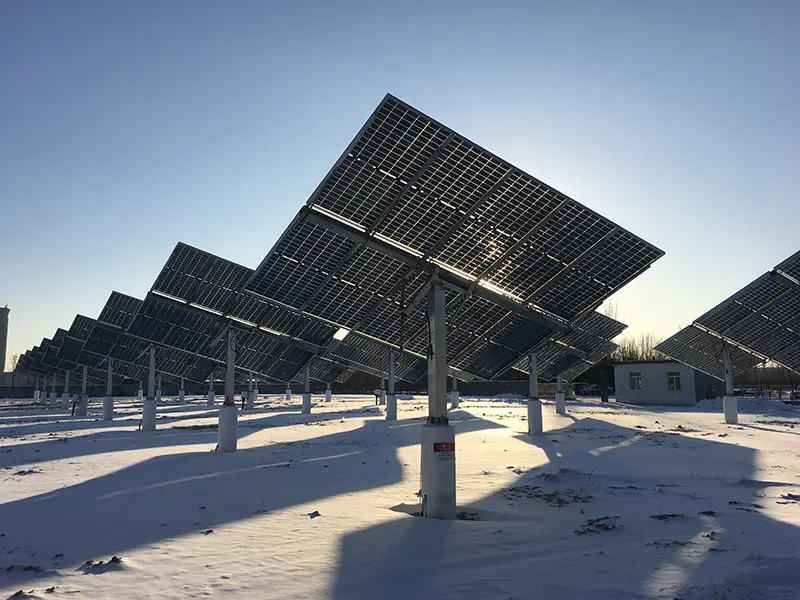
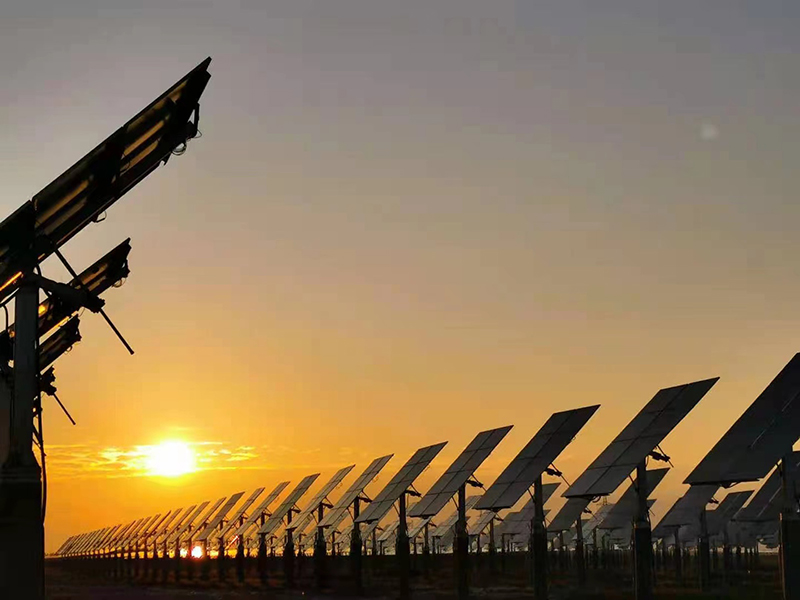
Observe the physical dynamic movements, wind survival reactions, and automated mechanisms of our tracking systems.
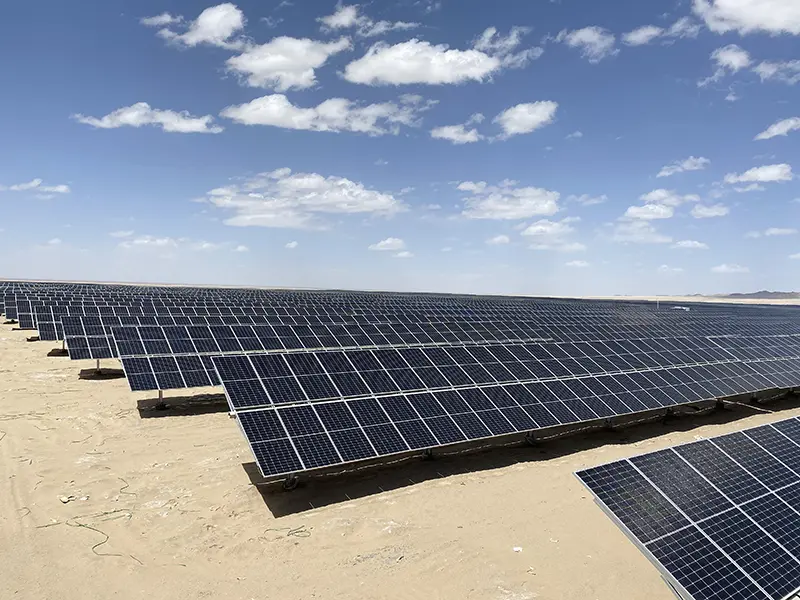
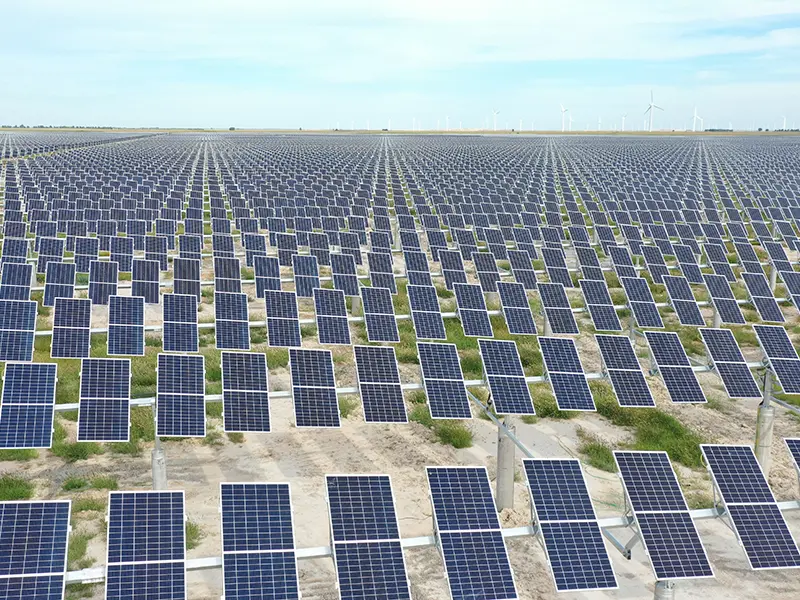
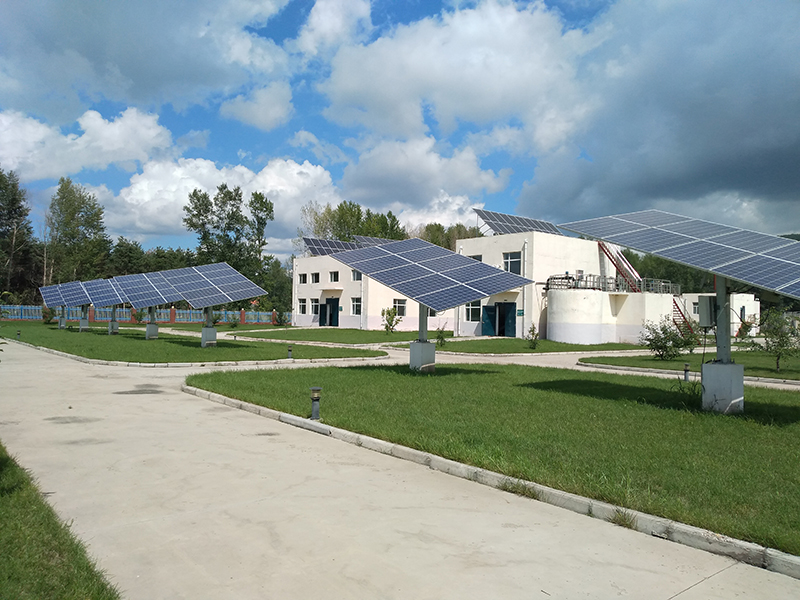
Proof of field resilience and maximum energy yield in real-world C&I installations across Vietnam.
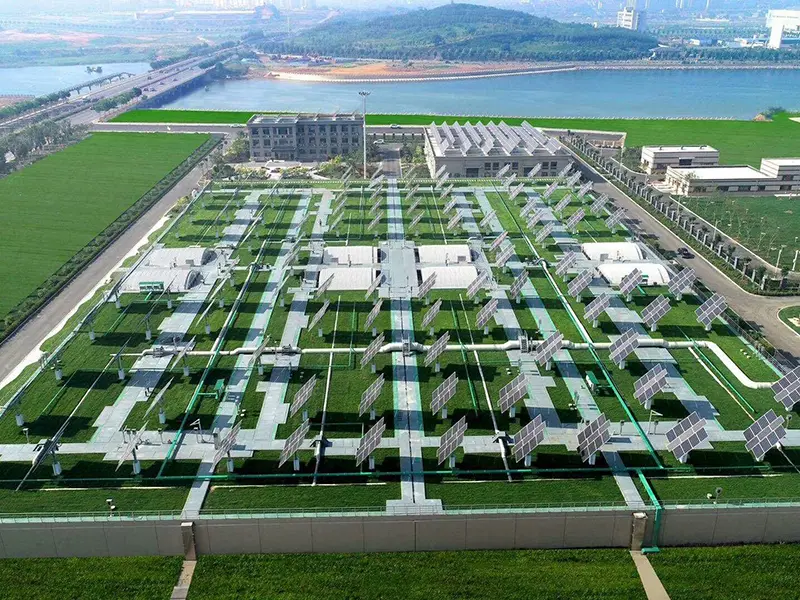
Compare our full structural options to match target site wind profiles, foundation types, and budgetary conditions.
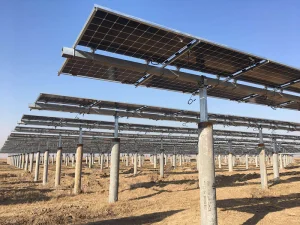
Robust structural geometry designed for simple assembly. Optimal for large scale utility grids with moderate terrain slopes.
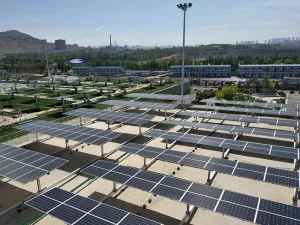
Configured with a 2-portrait module layout, allowing double string capacities on a single driving motor to lower controller costs.
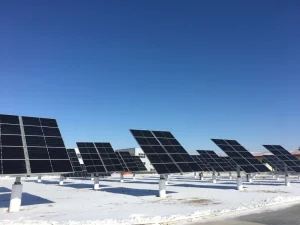
Provides complete 360-degree azimuthal tracking. Engineered for extreme locations where peak LCOE return is mandatory.
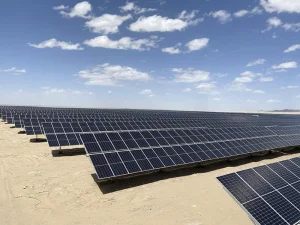
An economical option. Allows operators to manually adjust the panel tilt angle four times a year to match seasonal sun shifts.
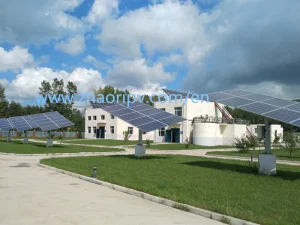
Combines active automatic tracking with manual adjustments to maximize reliability while reducing operational expenses.
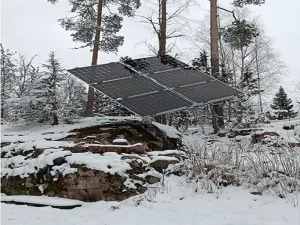
Optimized mechanical profile designed for smaller installations and urban multi-use rooftops, providing full dual axis yield gains.
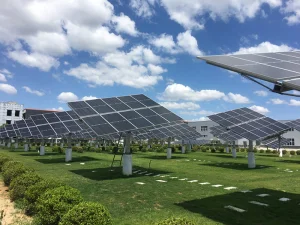
Heavy structural parameters. Engineered to support up to 60 standard modules per structure with active remote monitoring.
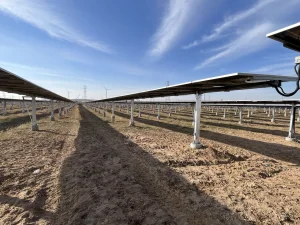
Features 1-in-portrait architecture, reducing dynamic torsional load limits. Fits lightweight configurations and lower pile height layouts.
Zhaori solar trackers conform to international design standards and structural benchmarks, including TUV, CE, and ISO.
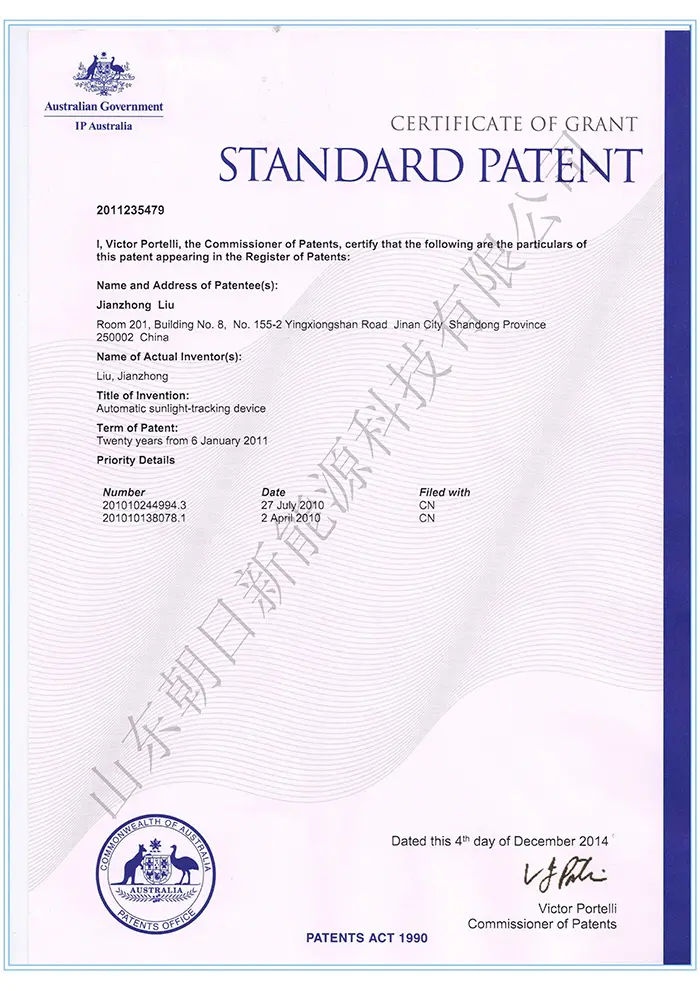
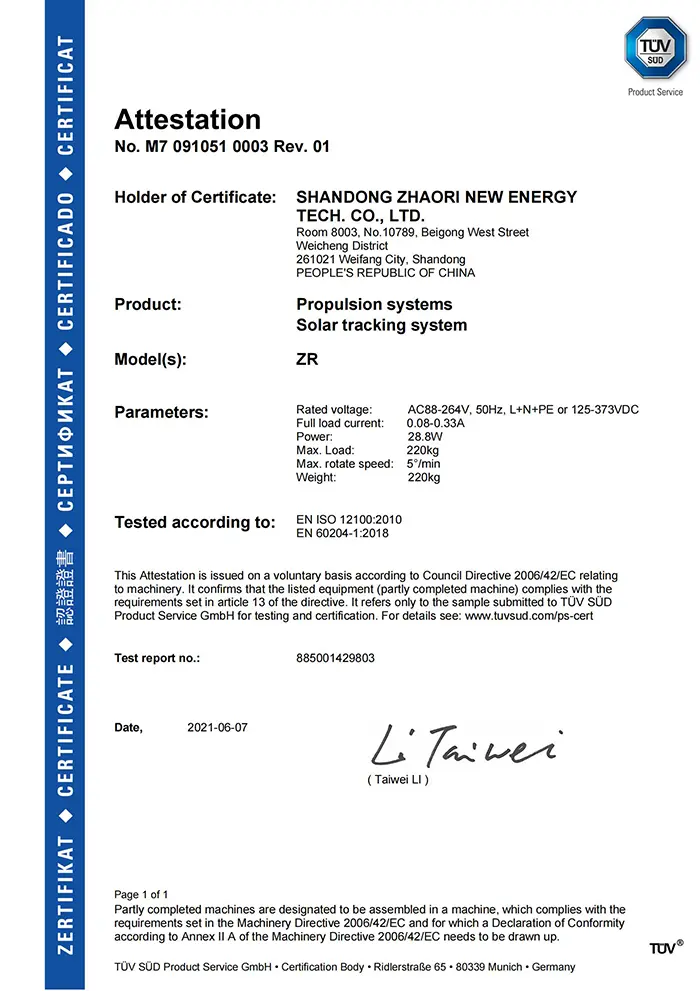
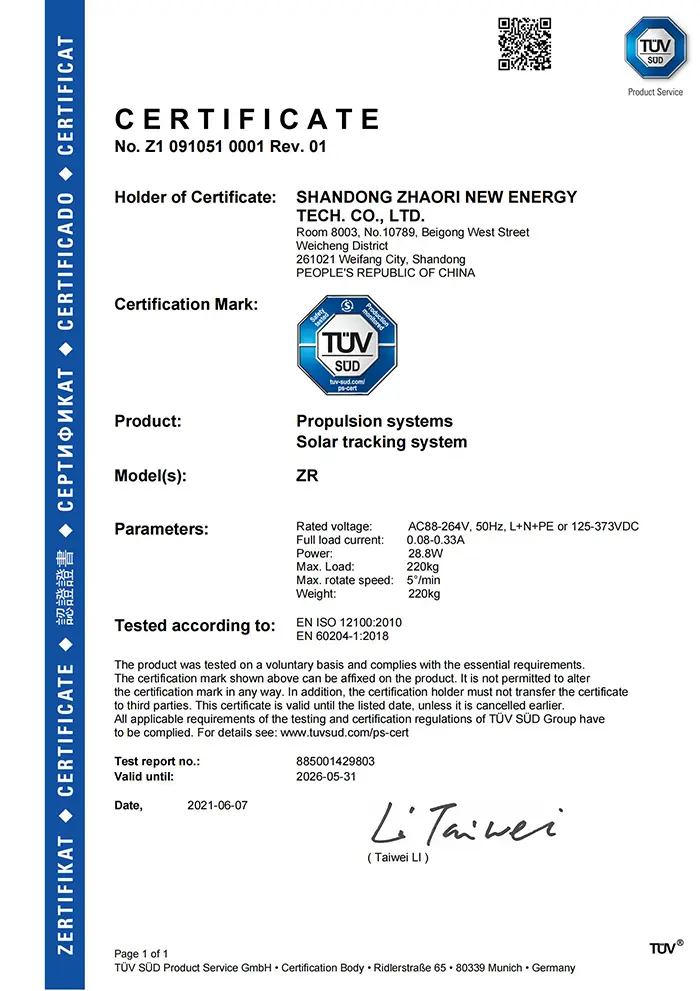
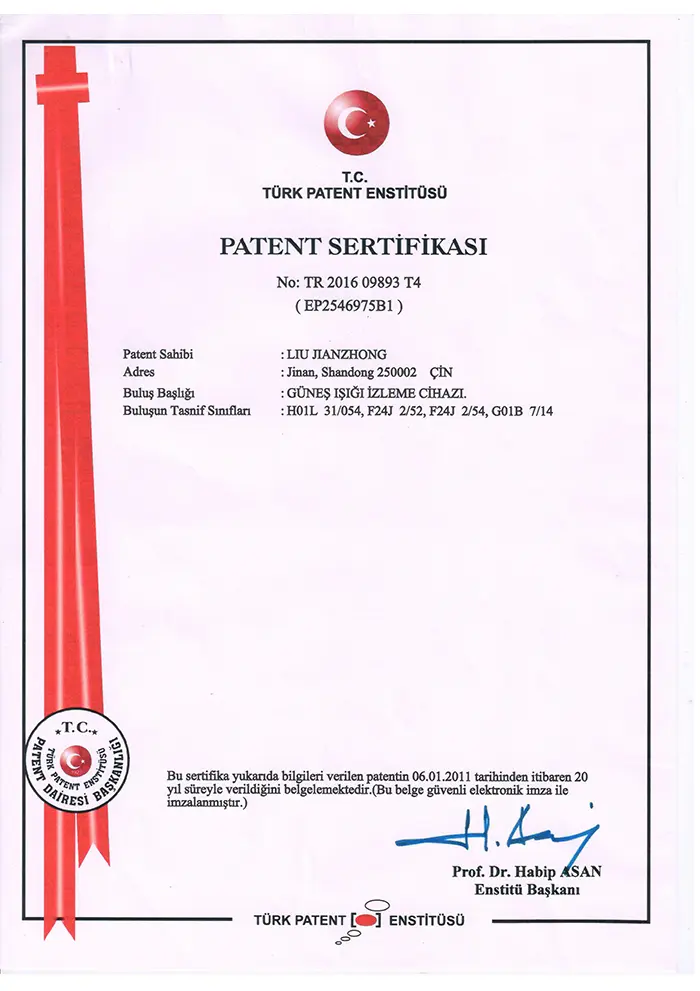

Important engineering, logistical, and cost answers regarding tracker deployments in Northern Vietnam.
Hanoi sits at approximately 21°N latitude. During winter months, the sun remains low in the southern sky, and heavy overcast cloud conditions persist. A traditional horizontal (flat) single-axis tracker loses optimal sun angles because of its flat central axis. A Tilted Single Axis Tracker offsets this loss by incorporating a north-south tilt (commonly 15° to 20° for Northern Vietnam). This mechanical adjustment maximizes solar irradiation capture and leverages the diffuse light spectrum typical of Hanoi's winter, resulting in 10% more energy generation than flat trackers and up to 25% more than fixed structures.
Our trackers feature smart weather monitoring units. When winds exceed safety thresholds, the control program overrides daily tracking and commands the system to lock at a flat 0° stow angle. At this angle, wind resistance is optimized, allowing the structural frames to withstand wind speeds up to 55 m/s. The structural posts are designed using high-tensile steel, backed by extensive dynamic wind tunnel simulation tests, ensuring safety during severe weather events.
Northern Vietnam has high year-round relative humidity, which accelerates corrosion on standard galvanized steel. Zhaori trackers solve this by using hot-dip galvanization (HDG) with coating thicknesses exceeding 85 micrometers, or magnesium-aluminum-zinc alloy coatings (ZM steel). This meets the C5-M corrosion rating, preventing structural degradation and guaranteeing a service life of over 25 years.
Our Shandong factory is directly connected to the regional logistics hubs. For Hanoi shipments, we offer two main transit routes: land transport through the Lang Son border gate (Huu Nghi) for fast delivery (approx. 5-7 days), or ocean freight from Qingdao Port to Hai Phong Port, followed by land transport to project sites in the Red River Delta region. This dual-route option allows for optimal balance between shipping costs and schedule requirements.
Submit your project coordinates, wind profile requirements, and module specifications. Our structural engineering team will provide a tailored LCOE tracking solution within 24 hours.
Send Inquiry Now Zhaori